



Evolution of Online Casinos: From Classic Gambling to Virtual Reality
The online casino industry has undergone a remarkable transformation over the past few decades, evolving from simple digital adaptations of classic games to a sophisticated entertainment platform rich in technology and innovation. This article delves into the evolution of online casinos, charting their journey from their inception to the cutting-edge developments of today, including virtual reality and mobile gaming. For more information, you can visit Evolution of Online Casinos: From 1990s to 2025 https://www.marcelazzola.com.
The Beginnings of Online Gambling
The first online casinos began appearing in the mid-1990s, coinciding with the rise of the internet. In 1994, the Caribbean island of Antigua and Barbuda passed the Free Trade and Processing Act, allowing licenses to be granted for online gaming operations. This landmark legislation paved the way for the introduction of online casinos. The first fully functioning online casino, InterCasino, launched in 1996, offering a selection of games including blackjack and roulette.
Advancements in Technology
As technology progressed, so did the online casino experience. In the late 1990s and early 2000s, the introduction of more advanced software platforms saw an explosion in the variety of games available. Software development companies such as Microgaming and Cryptologic played a significant role in shaping the online gambling landscape, developing secure and reliable platforms that provided random number generators (RNGs) for fair play.
Mobile Gaming Revolution
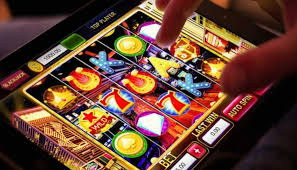
The advent of smartphones marked a significant turning point for online casinos. Mobile technology became a game-changer, allowing players to access their favorite games anytime, anywhere. The first dedicated mobile casino was launched in 2011, and since then, the number of mobile-compatible games has skyrocketed. Today, the majority of online gambling is performed on mobile devices, with casinos optimizing their platforms to cater to this demand.
Live Dealer Games
The introduction of live dealer games in the mid-2000s enhanced the online casino experience significantly. This innovation allowed players to interact with real dealers via live video streaming, replicating the social aspects of traditional casinos. Players could place bets on classic table games such as blackjack, roulette, and baccarat while enjoying a more immersive gaming experience. Live dealer games bridged the gap between online and brick-and-mortar casinos, attracting players seeking realistic gambling experiences from the comfort of their homes.
Security Measures and Regulations
As online gambling grew in popularity, so did the need for security and regulation. Initially, many online casinos operated in unregulated environments, which raised concerns about fairness and player safety. In response, various jurisdictions established regulatory bodies to oversee the operations of online casinos. Regulatory authorities, such as the UK Gambling Commission and the Malta Gaming Authority, were created to ensure that online casinos adhere to strict standards of fairness, security, and responsible gambling.
The Role of Cryptocurrencies
The emergence of cryptocurrencies, particularly Bitcoin, has had a profound impact on online casinos. Cryptocurrencies offer players increased anonymity, faster transactions, and lower fees compared to traditional banking methods. Many online casinos have started to accept Bitcoin and other cryptocurrencies, catering to a growing segment of players who prefer decentralized payment options. This trend is likely to continue as more players become familiar with digital currencies and their benefits.
Innovation in Game Design
In addition to technological advancements, the game design itself has evolved significantly. Game providers are now focusing on creating visually stunning games with engaging narratives and innovative mechanics. Popular titles often include progressive jackpots, bonus rounds, and interactive features that enhance player engagement. The rise of gamification has also introduced levels, achievements, and rewards systems that mimic traditional video games, further captivating players.
The Future of Online Casinos
The future of online casinos looks promising, with several emerging trends likely to shape the industry. Virtual reality (VR) gambling is poised to revolutionize the online gaming landscape, offering players an even more immersive experience. Several VR casinos are currently in development, aiming to recreate the thrill of a physical casino while incorporating interactive elements unique to virtual environments.
AI and Machine Learning
Another exciting trend is the integration of artificial intelligence (AI) and machine learning into online gaming. AI can enhance player experiences through personalized recommendations, smarter customer service, and improved fraud detection. These technologies will not only streamline operations but also enhance player engagement by providing personalized content based on user behavior.
Focus on Responsible Gaming
As the online casino industry continues to expand, the emphasis on responsible gaming is gaining traction. Operators are implementing measures to promote safe gambling practices, including self-exclusion tools, deposit limits, and resources for addiction support. Regulatory bodies are also increasing their scrutiny of these practices, requiring casinos to prioritize player welfare alongside profitability.
Conclusion
The evolution of online casinos has been a fascinating journey marked by technological advancements and cultural shifts. From humble beginnings in the mid-90s to the cutting-edge developments we see today, the online gaming industry has continually adapted to meet the needs and preferences of players. As we look ahead, it is clear that online casinos will continue to innovate, offering ever-more engaging and secure gambling experiences. With the rise of VR and AI, the possibilities for the future of online casinos are limitless, promising exciting opportunities for both players and operators alike.