




In today’s digital landscape, a high-converting landing page is a crucial element for any online business. Whether you’re promoting a product, a service, or a special offer, the effectiveness of your landing page can make or break your campaign. In this guide, we’ll explore the fundamental principles that contribute to a successful landing page, offering actionable insights on how to create one that drives conversions. For a practical example of effective design, you can check out How to Create a High-Converting Casino Landing Page for AZ https://mostbet-kuwait1.com/application.
Understanding Your Audience
The first step in creating a high-converting landing page is to understand your target audience. Conduct thorough market research to identify their needs, preferences, pain points, and behaviors. This knowledge will not only guide your content but also inform your design choices. Tailoring your landing page to meet the specific expectations of your audience increases the likelihood of conversions.
Crafting a Compelling Headline
Your headline is the first thing visitors will see, and it needs to grab their attention immediately. A compelling headline should be clear, concise, and promise a benefit. Use action-oriented language and focus on the value proposition of your offer. A great headline can significantly influence the initial impression and set the tone for the rest of the page.
Utilizing Persuasive Subheadings
Subheadings should complement your headline by providing additional context or details about your offer. They can help break up the text on the page and guide the reader through your key points. Ensure that your subheadings maintain the same tone and style as your headline, reinforcing the message that you want to communicate.
Designing for User Experience
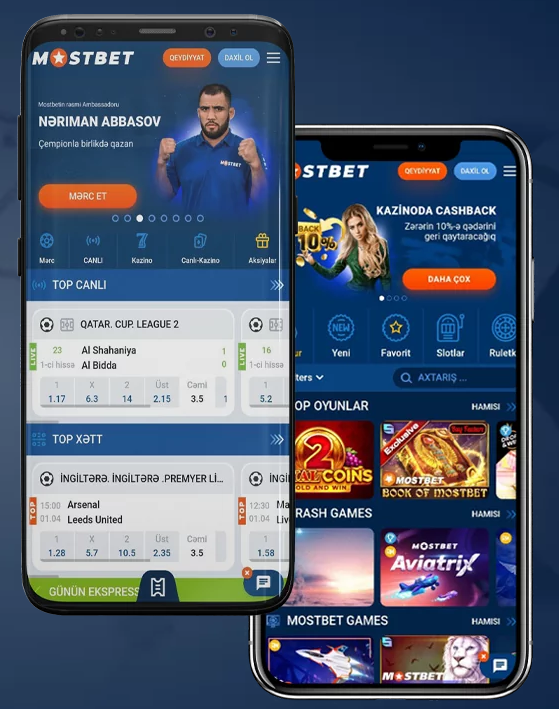
A high-converting landing page must also prioritize user experience (UX). This entails a clean, visually appealing design that reflects your brand identity while facilitating easy navigation. Use whitespace effectively to create breathing room around elements, and ensure that your primary call-to-action (CTA) stands out. Remember, the goal is to minimize distractions and direct attention toward the conversion goal.
Crafting Engaging and Concise Content
Your landing page copy should be engaging, persuasive, and concise. Visitors often skim content, so use bullet points, short paragraphs, and bold text to highlight important information. Focus on the benefits of your offer rather than just the features. Explain how your product or service can solve a problem or enhance the visitor’s life.
Incorporating Social Proof
Social proof can significantly enhance the credibility of your landing page. Incorporate testimonials, reviews, or case studies to demonstrate that others have benefited from your offer. If applicable, showcase media mentions or endorsements from reputable sources. These elements build trust and can influence a visitor’s decision-making process.
Implementing Strong Call-to-Action (CTA)
Your CTA is one of the most critical elements of your landing page. It should be clear, compelling, and create a sense of urgency. Use action-oriented language that encourages visitors to take immediate action, such as “Get Started Now” or “Claim Your Free Trial.” Position the CTA button prominently on the page and consider testing different colors and placements to see what resonates best with your audience.

Optimizing for Mobile Devices
With an increasing number of users accessing websites via mobile devices, it’s crucial that your landing page is optimized for mobile viewing. Ensure that your design is responsive, meaning it adapts to different screen sizes. Test the functionality of all elements on mobile devices, from buttons to forms, and make adjustments as necessary to enhance the mobile user experience.
Testing and Analyzing Performance
The work doesn’t stop once your landing page is live. Perform A/B testing to compare different versions of your landing page to see which elements drive higher conversions. Analyze metrics such as bounce rate, time on page, and conversion rate, and use these insights to make informed adjustments. Continuous testing and optimization are key to maintaining a high-converting landing page over time.
Leveraging SEO Techniques
To attract organic traffic to your landing page, it’s essential to implement basic SEO strategies. Research relevant keywords and phrases that align with your audience’s search intent and incorporate them naturally into your copy, headings, and meta descriptions. Optimizing your landing page for search engines gives you greater visibility and can increase the number of potential conversions your page receives.
Conclusion
Creating a high-converting landing page is an ongoing process that requires understanding your audience, crafting compelling content, and prioritizing user experience. By incorporating the strategies outlined in this guide, you can design and develop a landing page that not only attracts visitors but also converts them into loyal customers. Remember to continuously test and refine your approach, staying adaptable to your audience’s evolving needs and preferences.