



What Is a Mobile Home Proof Of Purchase?
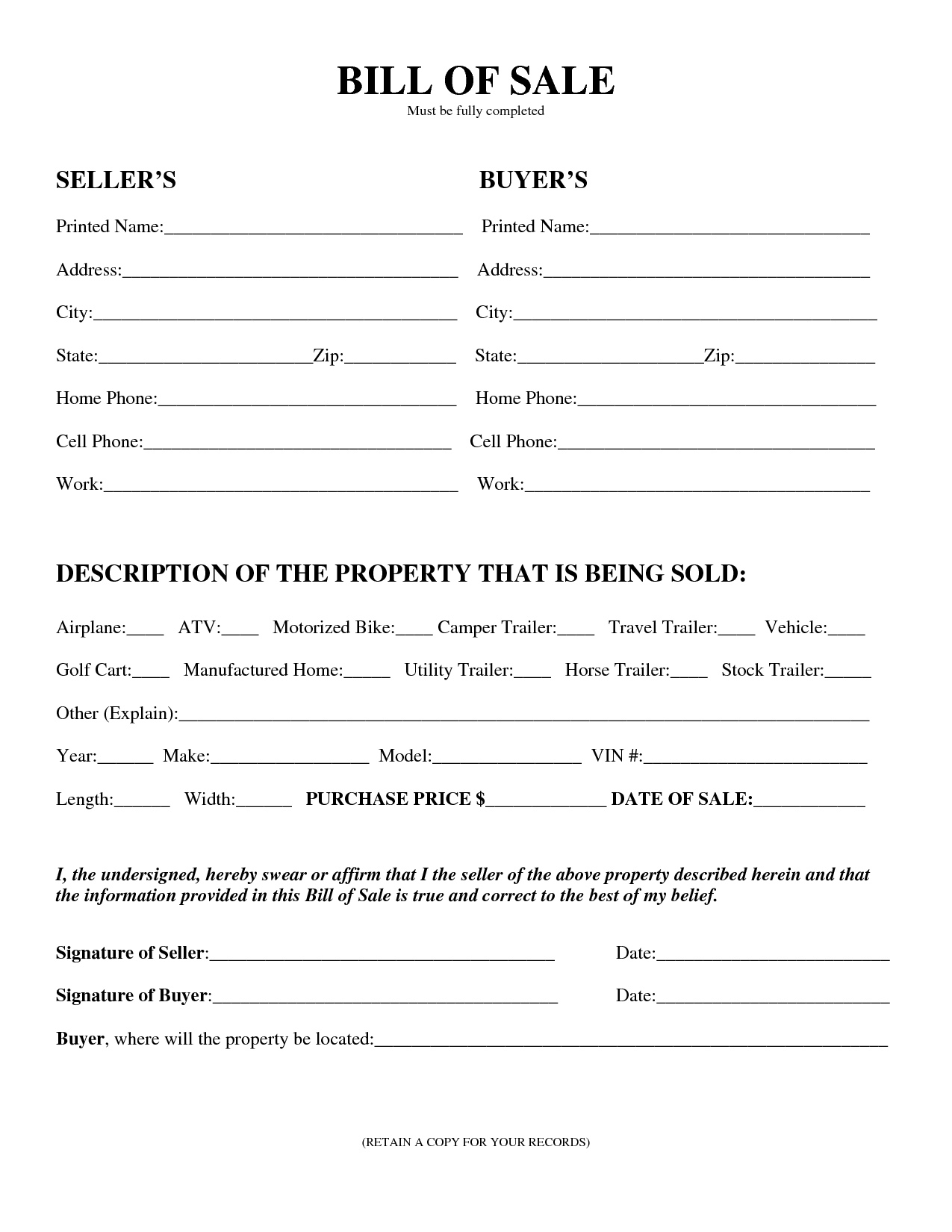
A mobile home bill of sale is a legal record utilized to record the sale of a mobile or manufactured home. A mobile home is basically a factory-built home developed to be transferred to a particular website and made use of as a permanent home.
A mobile home proof of purchase indicates that person marketed the home to another. This type details crucial details, consisting of the purchaser and vendor information, a description of the home, the list price, and any kind of included products.
Many states deal with mobile homes as personal property, comparable to a car, unless the home is permanently affixed to the land. That’s why a proof of purchase is commonly needed to transfer ownership, sign up the home, or acquire a brand-new title. It verifies that the sale happened, details what both events agreed to, and helps stop future conflicts.
Factory-built homes built prior to June 15, 1976, are lawfully described as mobile homes. Factory-built homes improved or afterwards day must satisfy government HUD safety and security requirements and are technically described as manufactured homes. A mobile home proof of purchase helps both.
Who Needs a Mobile or Manufactured Home Receipt?
Whether you’re getting, selling, financing, or taking care of a mobile home, a proof of purchase plays a vital duty in documenting the deal and securing all celebrations entailed:
- Vendors and Customers: If you’re marketing your mobile home, this type proves you’ve legitimately moved ownership and aids stop future misconceptions. As the purchaser, it offers you created proof of the sale and lays out specifically what you consented to. Most states need this type to move the title or sign up the home.
- Lenders and Insurers: If the purchaser secures a loan or obtains insurance coverage, a mobile home proof of sale may be required to show that the sale has taken place. It aids confirm the worth of the home and establish possession.
- Mobile Home Park Managers: Several parks ask for this type to update their documents. It helps them confirm the new owner and appoint costs, rent, or regulations contracts.
- State Agencies: You might need this kind to register the home or move the title with your state’s DMV or real estate office. Each state has its very own policies, so be sure to examine your state company to locate what’s required.
Read here New York Bill of Sale for a Manufactured Home At our site
Just how to Write a Mobile Home Bill of Sale
A well-written receipt for a made home should plainly lay out the sale information, making the title transfer and registration process much easier and a lot more reliable. Review the actions involved listed below to guarantee you produce a cohesive file. To conserve time, you can tailor and download and install a Lawful Templates’s totally free mobile home proof of purchase type.
1. Enter Buyer and Vendor Facts
Start by detailing the complete lawful names, sending by mail addresses, and get in touch with info for both the purchaser and the seller. This area confirms who is associated with the sale and might be needed to validate the transfer with your state’s DMV or real estate firm.
2. Define the Mobile Home
Add certain information about your mobile or manufactured home. Include the year, make, model, and size. You need to additionally consist of the identification number or VIN. Also, note whether your mobile home is single-, double-, or triple-wide.
If the mobile home contains furnishings, devices, or land, point out those also. If offered, include the HUD qualification label number (often described as a HUD tag) and data plate information. These verify that the home meets federal HUD criteria and are specifically beneficial for manufactured homes constructed after 1976.
3. Note the Payment Terms
Note the total sale price and just how the buyer will pay. If the payment will certainly be made in installments, consist of the deposit, debt, and due dates. Make sure that you record whether the land is included in the sale. Detail its value independently from the home’s rate. If you are including land in the sale, you ought to carry out a land sale contract to keep the deals separate. This assists avoid complication throughout title transfer and might also influence just how property taxes are calculated.
4. Add Warranty Particulars
State whether the home is being sold “as-is” or with any type of service warranties. If the seller is including a guarantee, for example, on devices or any kind of recent repair work, describe what’s covered and for how long. Make sure both celebrations accept these terms before signing.
5. Indication and Swear
Both the buyer and the vendor ought to authorize and date the kind. Some states require a mobile home proof of sale to be notarized or checked in the existence of a witness. Even when not required, swearing the document can offer additional legal security and aid with the registration of a mobile home.
How to Market a Mobile or Manufactured Home
Adhere to these essential steps to sell your mobile or manufactured home legally and efficiently.
- Prepare the Home and Gather Records: Repair any type of visible damages, extensively tidy the home, and gather all crucial paperwork. This consists of the title, previous proof of sales, warranties, fixing records, and enrollment files. If land becomes part of the offer, consist of the action and property documents.
- Set a Fair Rate: Use devices like NADA Guides to approximate the value of your mobile home. Compare comparable listings in your area and consider working with an evaluator. If the land is included, checklist its cost separately to stay clear of confusion with tax obligations and title transfer.
- Promote and Screen Customers: Article detailed listings online or use a property agent. Be sure to define the home effectively so prospective buyers can plainly see what’s being used. Respond to interested customers and verify if they’re economically prepared to buy.
- Discuss the Sale: Settle on whether the home will be moved or remain on-site, what things will be consisted of, how the purchaser will pay, and when the closing day will certainly be. You may likewise require to make use of a different property purchase contract if land is consisted of.
Do States Require Titles for Mobile Houses?
In lots of states, you need a title, similar to a cars and truck title, to move a mobile or manufactured home legitimately. The regulations may alter if your home is permanently affixed to land. Texas and The golden state, as an example, have various requirements depending upon whether the home is thought about personal property or realty. To make sure, check with your state’s DMV or real estate firm before finishing your sale.
What Takes place After a Mobile Home Sale?
As soon as you have actually completed the sale of the mobile or manufactured home, adhere to these essential steps to wrap things up legitimately and correctly.
1. Supply Documents to Buyer
Ensure the buyer receives all necessary documents. This includes:
- An authorized mobile home bill of sale
- Any type of lien launches
- Previous upkeep or inspection documents
- Authorized title (if needed in your state)
This handover secures both celebrations and sustains future enrollment or possession demands.
2. Register the Mobile Home
If your state deals with the home like personal effects (rather than real estate), you may need to register it with the local DMV or real estate authority. For instance, some states deal with produced homes as real estate only if your home is completely affixed to the land. Make sure to check your state’s certain policies prior to you complete the enrollment process.
3. Transfer the Title
In several states, you’ll require to offer the customer the signed title and a completed receipt. The customer then files both records with the proper federal government agencies to transfer possession officially in their own name. This step might also involve paying a cost or finishing additional types.
If the mobile home is completely connected to land, nevertheless, it could be considered property. The title procedure might differ because situation, and you must verify with your state’s DMV or local property workplace to identify the appropriate actions.
4. Pay Required Tax Obligations and Charges
The vendor or buyer may need to deal with tax obligations or fees after the sale:
- Capital Gains Tax Obligation: If you earned a profit from the sale, you might require to report it on your federal tax return utilizing IRS Kind 1040. In many cases, you might likewise require to file Schedule D if the gain is taxable.
- Enrollment or Transfer Charges: Some states charge a charge when the brand-new owner registers the mobile home or transfers the title.
- Home Transfer Taxes: If the home is thought about realty, the buyer may be required to pay a transfer tax obligation. This might vary by state. Consult your state’s DMV or tax obligation office to ensure you’re complying with neighborhood requirements.